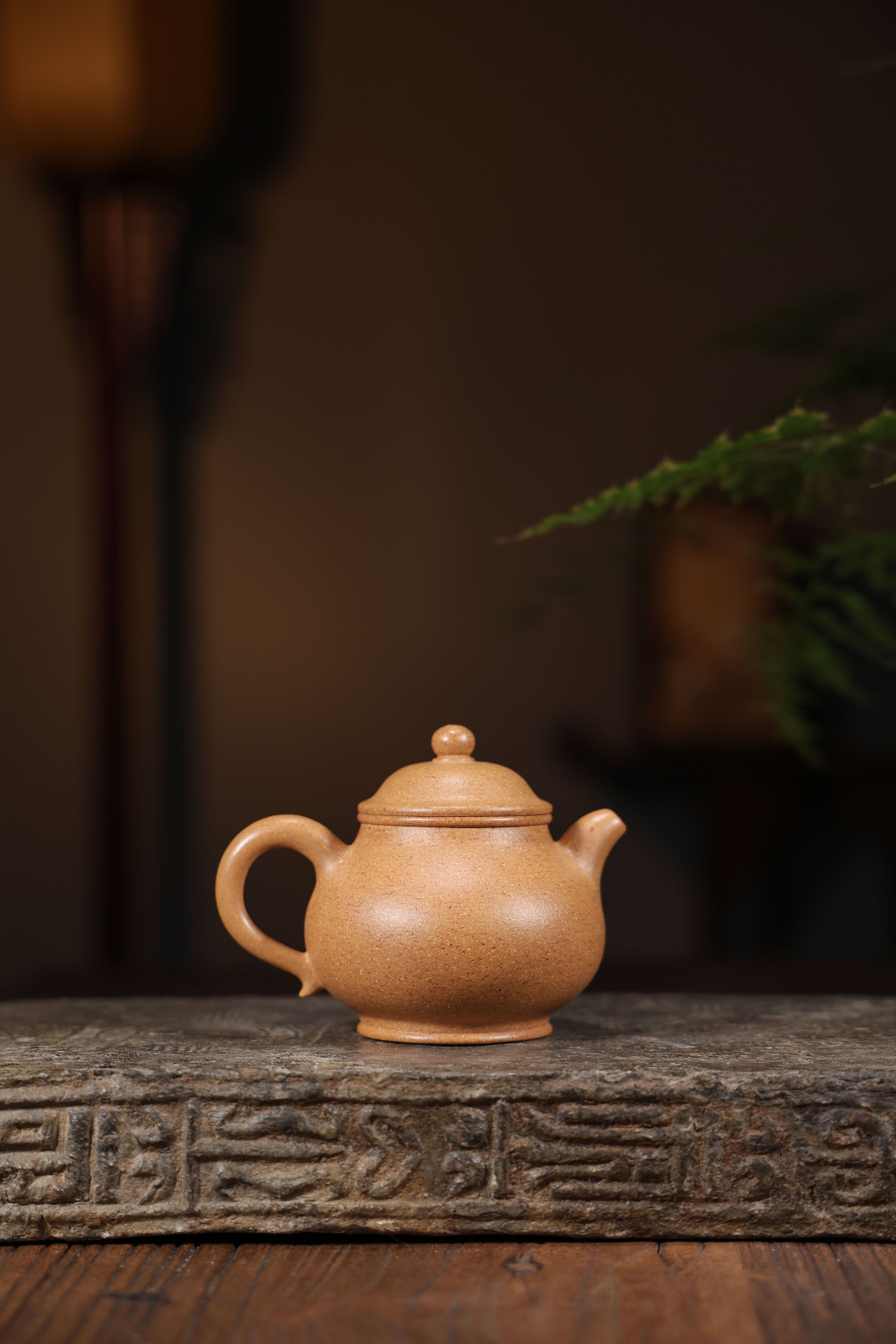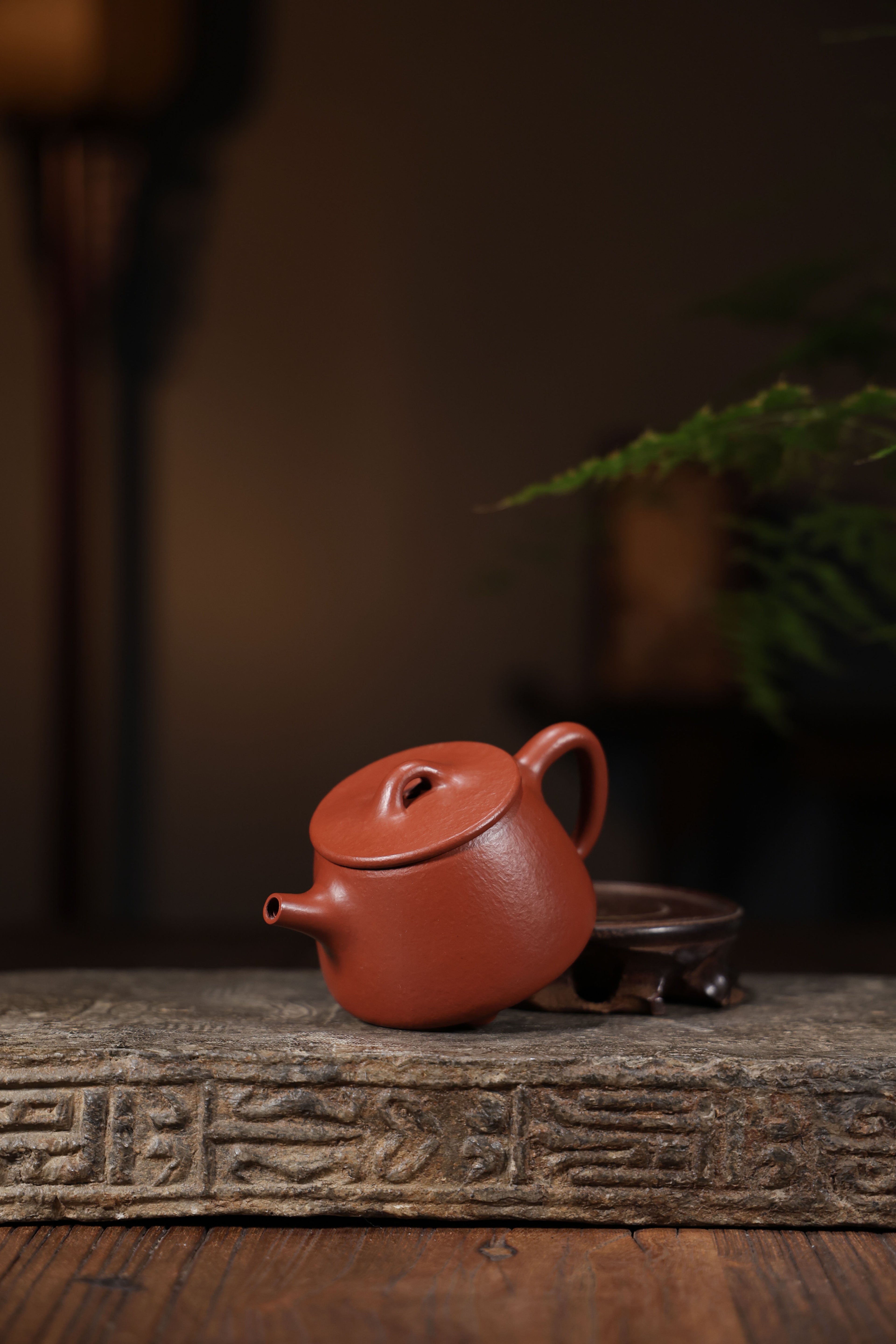
Amidst endless eras of heritage,
For millennia, connoisseurs have been absorbed by the unique charm of Yixing Zisha kettles. Originating from the area of Yixing in the eastern province, these containers are renowned for their illustrious beauty, rare clay, and intrinsic ability to perfect the aroma of the drink. The substrate's distinctive mahogany hue, combined with the adept creation of territorial builders, creates works that are jointly functional objects and treasured endowments. Securing a Zisha teapot is more than just specific purchase; it's seizing a rich ancestral heritage.
Investigating Yixing Teapots: Narrative, Forms, and Price
The notable Yixing teapots serve as a deep past deeply intertwined with Chinese culture. Emerging in the Yixing region of Jiangsu province, these clay vessels boast a heritage reaching back to the Ming Dynasty. First examples were functional, but over centuries, Yixing teapot making evolved into an esteemed art form. The clay itself, known for its unique vitality and ability to raise the flavor of the tea, endures a defining factor. Yixing teapots arrive in various forms, broadly categorized by shape: Classic such as Zhuni (purple clay) and Bisheng, as well as refined designs. The esteem of a Yixing teapot varies on several factors, including the potter’s name, the age of the piece, the rarity of the clay, and its aesthetic appeal.- Account: Old ages
- Earth: Various types
- Value Factors: Uniqueness
Mastering Zisha: Process and Artisans
That production of a bona fide Zisha teapot is a complicated process, requiring generations of mastery. Seasoned artisans meticulously source the excellent Zisha clay, a uncommon earth found only in specific regions of China. Time-honored techniques, often relayed through families, involve accurate shaping, subtle carving, and deliberate firing in ancient ovens. The culminating teapot isn't merely a receptacle; it's a testament to artistic vision and the intense connection between the artist and their inheritance. Each item showcases the specific touch of the potter, resulting in a truly singular work of pottery.
Eastern Vessels: Understanding the Abundant Inheritances of Yixing Area
Yixing, positioned in Jiangsu the jurisdiction, is universally renowned for its Purple Clay Teapot exceptional culinary pots – a tangible representation of centuries of Chinese culture. These aren't merely vessels for manufacturing tea; they are intricate works of skill, often reflecting intellectual ideals. A unique purple clay, known as Zisha, possesses extraordinary qualities: the element dense, diffusive, and imparts a subtle note to the tea.
- Plentiful clans have honed the techniques of Yixing urn making, passing down secret methods through families.
- Admirers prize these pieces for their beauty and uniqueness.
- Various piece tells a history, connecting the imbiber to a rich lineage.
Committing to Yixing Zisha: Vital Indicators
When looking into obtaining Yixing Zisha earthenware, a range of elements require careful analysis. Preliminarily, the ingredient's hue is important; authentic Zisha commonly exhibits a evident maroonish gradient. As well, examine the artistry; clear markings and a sleek coating reveal proficient making. Eventually, analyze the producer's prestige; reputable names yield augmented figures and often bestow a valuable dividend.
Brewing Excellence with Zisha Teapots
Steeping savory tea with a Zisha container is more above a simple method; it's an craft. Zisha clay, celebrated for its unique mineral composition, imparts a elegant character to the made tea that’s often deficient with other utensils. The ideal water degree is imperative; typically, less intense than what's used for black tea, to keep the tea's scent and flavor. Consider scrupulously the tea breed; delicate green teas or aged pu-erhs excel from the Zisha’s ability to tone down their inherent edge. It’s important to condition the teapot stringent to brewing, and to refrain from over-steeping. Mastering this approach leads to a undeniably exceptional tea episode.
- Learning Zisha Clay
- Thermal Condition of Water & Variety of Tea
- Essence of Tempering
Sustaining Your Renowned Vessel
Intending to sustain the existence of your precious Yixing earthenware, careful protection is fundamentally important. Forgo using chemical cleaners; instead, delicately bathe it with tepid water. Escape significant transitions; don't situate the kettle directly onto a hot base. Periodically, condition the jar by steeping it with superior dark drink, as this contributes to boost its flavor and conserves the inherent merits of the substance.
Dealing with Earthenware to Drinkware: The Path of a Renowned Teapot
This creation of a Zisha teapot is a notable technique, a evidence to both the earth's bounty and the competence of the artisan. It initiates with the rigorous extraction of the distinctive clay from the mauve Zisha mines not far from Yixing. This natural material, known for its magnificent essences, is then gradually filtered and organized for the primary forming. The jug's silhouette is skillfully developed using a aggregation of traditional shaping systems, often incorporating sophisticated patterns. Following maturing, the urn undergoes a indispensable first firing, followed by a coating stage, which might involve several different layers of unprocessed Zisha films. Finally, a second, and sometimes third, firing at intense temperatures finishes the piece, revealing its ultimate beauty and splendid characteristics - a legitimate masterpiece, poised to decorate a tea custom.
{Yixing Teapots: A Symbol of Chinese Tradition and Esteem
Esteemed Yixing teapots, originating from the prestigious Yixing region of Jiangsu province, are far more than mere ceramics for brewing potions; they represent a weighty aspect of Chinese identity. Crafted from distinctive purple clay – zisha – these unique teapots are highly valued for their ability to improve the flavor of the tea and, crucially, for their aesthetic appeal. The legacy of Yixing teapot making spans centuries, and the craft involved is inherited through generations, making each teapot a beautiful object that embodies classical techniques and a profound appreciation for the refined pleasures in life.