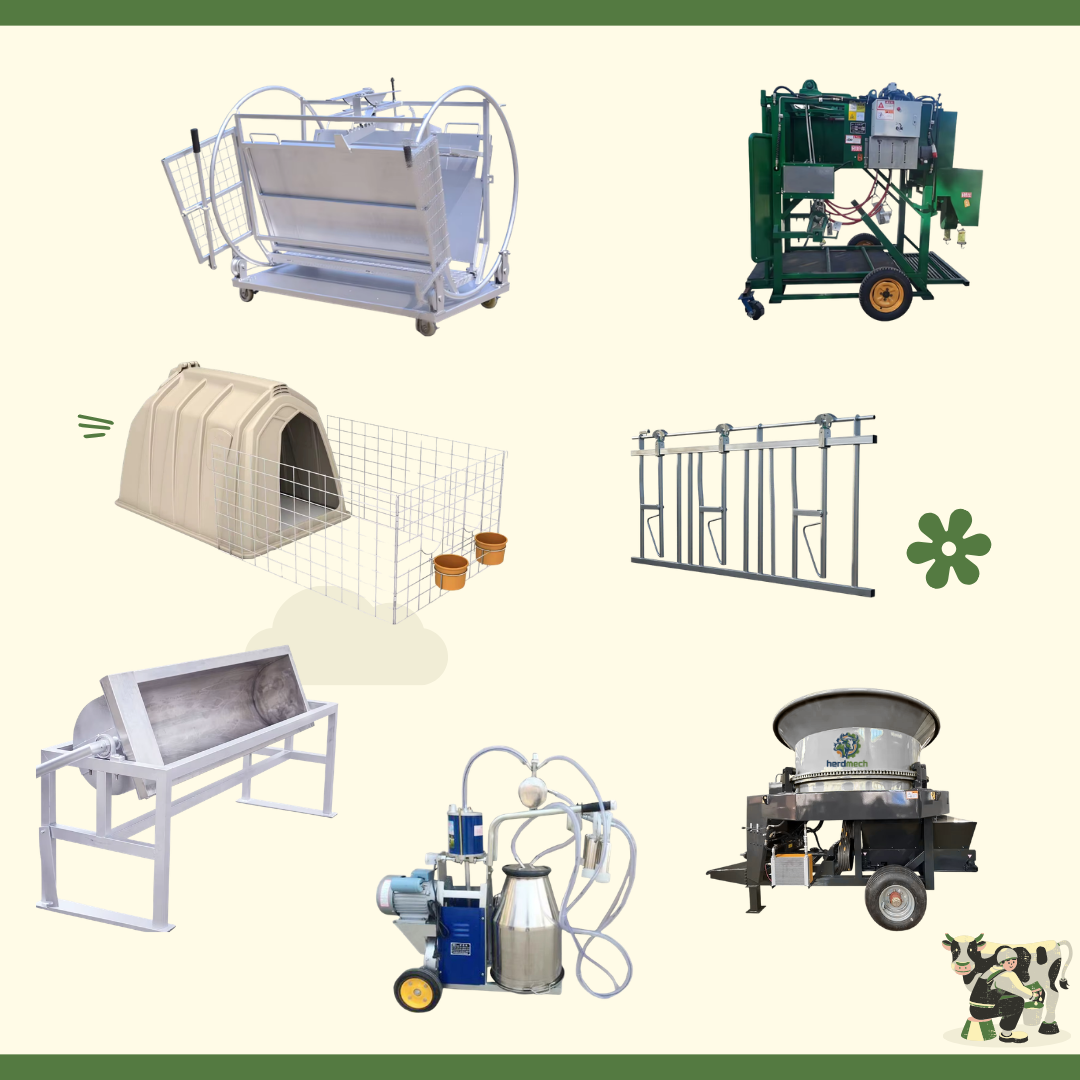
Opening calf milk taxi
Whole Combined Blend mixers are growing increasingly important apparatuses for innovative herd holdings. These tools permit farmers to precisely administer substance measures in the batch of provisions, producing to augmented cow stamina and udder output manufacture. Moreover, the unvarying amalgamating delivered by a quality mixing system diminishes forage debris and improves total agro-industrial profitability – finally amplifying earnings and resilience of the farm.
Acquiring a feed processor? Essential Considerations for Cultivators
Determining if to commit to a Total Mixed Ration (TMR) fodder mixer functions as a notable decision for up-to-date farmers. Before making that commitment, several crucial components are compelled to be meticulously evaluated. Review the capacity of your group; a mixer that’s too small could cause impediments, even if one that’s immense represents an unnecessary capital charge. Furthermore, inspect your established infrastructure; can the spot make possible for simple mixer running and constituent delivery? In conclusion, remember to not performing a complete cost-benefit evaluation involving sustenance costs and potential output advancements.
- Appraise herd dimension.
- Consider facilities.
- Execute a cost-benefit study.
Ration Blending Machine for Sale: Finding the Right Machine for Your Farm
Hunting for a aggregate nutrition tool for securing? Deciding on the best equipment is crucial for improving productivity and lowering labor charges on your ranch. Consider the volume of your animals and the kind of feedstuff you’ll be handling; options range from small models for limited operations to large units designed for larger operations. Be sure to consider varied makers and balance their traits before making a conclusive determination. A reliable TMR mixing system can significantly strengthen your stock provisions and overall results.
Permanent TMR Mixers: A Detailed Review into Perks and Applications
Settled whole integrating systems, often referred to as TMR blenders, contribute a prominent perk for contemporary creature projects. These considerable systems preclude the demand for shifting feed, dampening staff costs and petroleum use. Their stationary framework authorizes for consistent homogenizing of elements, resulting in excellent rations that amplify herd health and functionality. Common uses involve dairy establishments, cattle livestock ventures, and poultry raising facilities, where precise element distribution is paramount for best maturation and production amid the flock.
Identifying Leading TMR Mixers: A Complete Buyer's Guide
Deciding on this proper composite feed device for your farm’s enterprise can seem like certain important selection. Review aspects like scale – do the business seek the sizable tool? Furthermore, review particular power categories – compressed-air – and their connected outlays. At last, avoid ignore characteristics such as homogenizing rate and sturdiness when arriving at your farm’s ultimate selection.
Enhancing Feedstuff Merit with Powerful Total Mixed Ration Stirring
To really harness the power of your formula, emphasizing precise TMR stirring is required. Erratic amalgamating can produce meaningful variations in nutrient distribution to your livestock, lowering overall productivity. Thorough assessment of device tuning, ingredient arrangement, and stirring period are essential to confirm a uniform and dietarily well-rounded TMR, ultimately enhancing diets quality and proceeds.
Total Mixed Ration Mixer Maintenance: Increasing Durability and Output
Routine maintenance is mandatory for increasing the service period and efficiency of your mixing device. Overlooking preventative investigations can lead to high-priced fixes and lower feed consistency. Key areas to focus on include chopper robustness, bearing oiling, and nut tightening. Complying with the manufacturer’s endorsed upkeep routine will considerably extend the useful span of your machine and ensure regular output.
Comparing Combined Diet Unit Types: Flexible vs. Fixed
Once deciding on a TMR apparatus, producers often confront the dilemma between shiftable and permanent classes. Movable tools supply flexibility, empowering nutrient stirring directly in numerous locations, optimal for comprehensive establishments. Otherwise, immobile apparatuses generally furnish higher power and has the ability to be significantly low-cost for operations chiefly administering the prime body. The preferred decision is influenced on individual holding wants and financial controls.
The Increase of TMR Feed Mixers: Changes and Breakthroughs in Animal Husbandry
The advancing use of Total Mixed Ration (TMR) diet mixers embodies a noteworthy development in today’s dairy cultivation. At the outset, exclusive to bigger operations, these tools are now developing significantly accessible for limited operations. Facilitating this movement are improvements in mixing innovation, including advanced amalgamation reliability, machine-controlled governance, and advanced sensor functionalities that improve feed distribution and lessen loss. Furthermore, this priority on herd performance and product output persists to encourage ongoing innovation in TMR mixer systems.