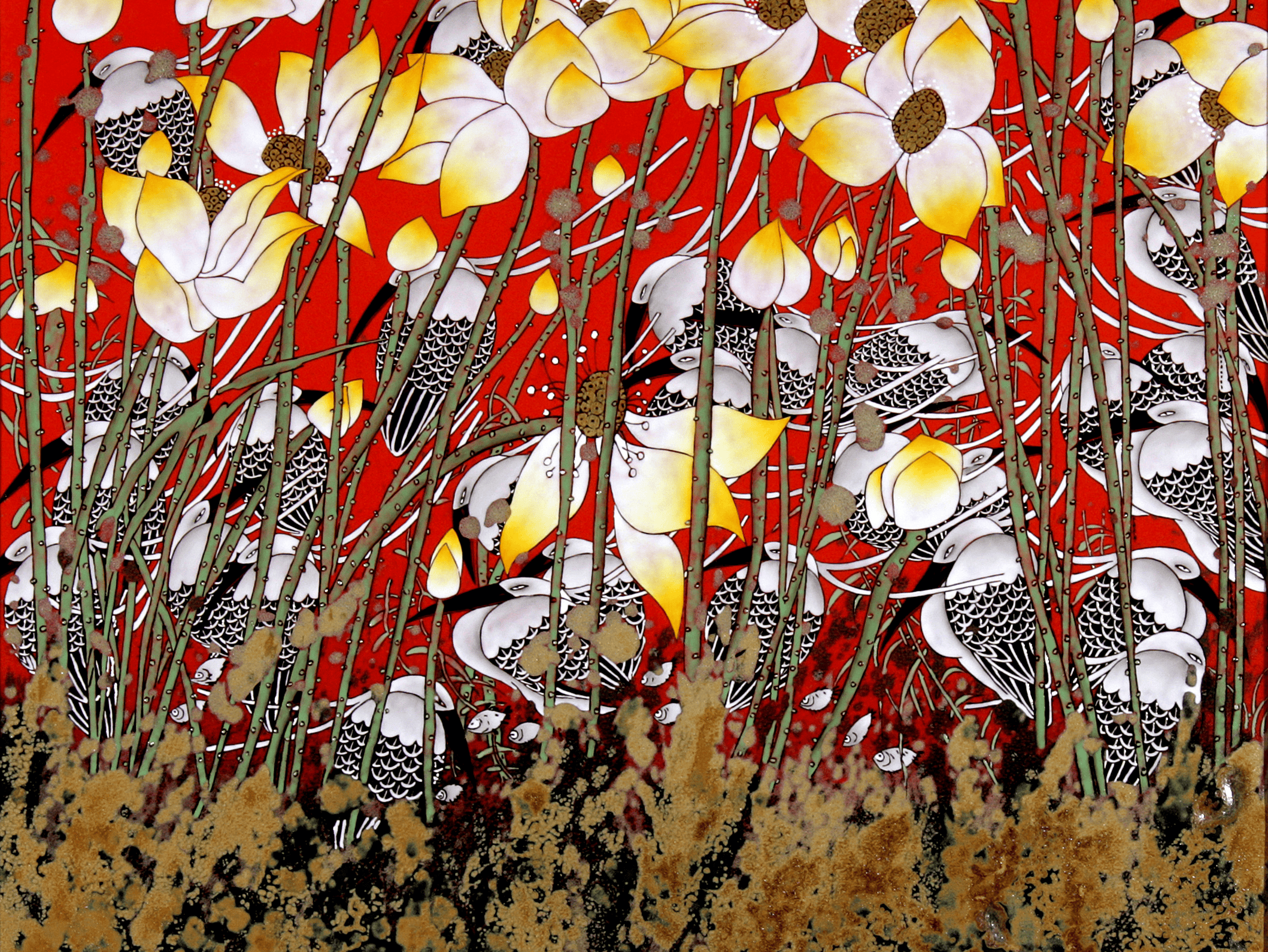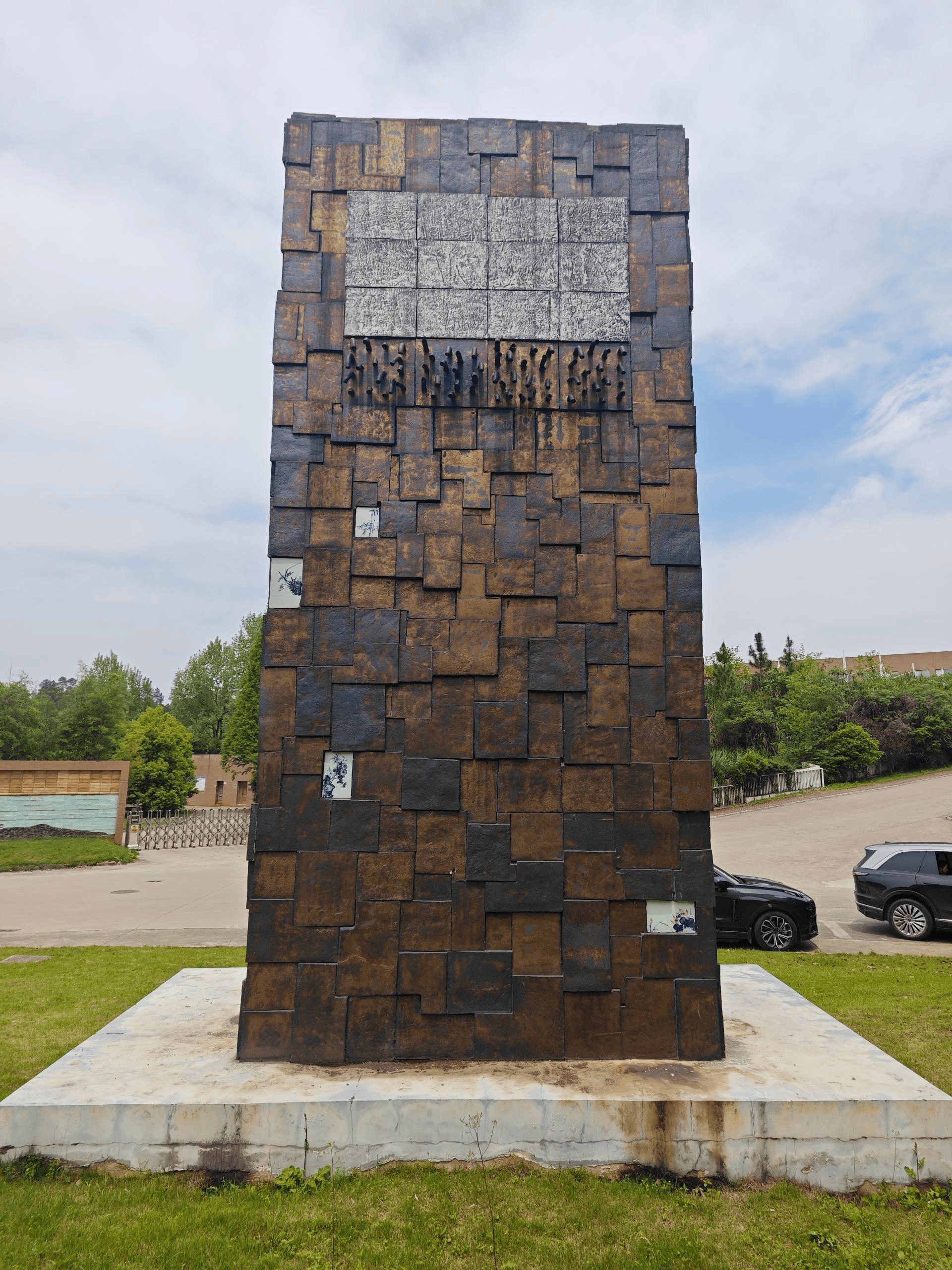
Earthenware sculpture shows a exceptional practice variety with a extensive chronicle, traveling back countless of ages. From ancient pots to contemporary placements, the component offers unparalleled possibilities for creative expression. Craftsmen practice wide-ranging techniques – including coiling, wheel shaping, and developed firing processes – to fashion humble silt into beautiful three-dimensional creations. The resilience of fired terracotta also contributes to its status as a truly noteworthy part of human society.
Exploring Pottery Panel Arrangements and Practices
The area of ceramic badge design offers a considerable array of creative possibilities. Designers often incorporate a combination of heritage-based and recent techniques to fabricate visually spectacular pieces. These can vary from simple, crafted reliefs to complex, multi-layered assemblies. Conventional methods include pattern casting, sculpting by hand, the glaze process – which can involve multiple types like base glaze illustration, overglaze decoration, and sgraffito where designs are revealed by eroding a layer of shell. Expanded research into overlay methods such as cold firing and metallic glaze can offer truly distinctive and individualized earthenware plaques.
- Mold Making - Creating pieces using a frame
- Physical Construction - Delicately building the loam
- Enameling - Covering the surface with a smooth finish
- Etched illustration - Disclosing designs by removing surfaces
Entrancing Experiences: Porcelain Art Exhibits
The progressing landscape of design presents exciting innovative avenues for guests, and ceramic art installations are at the pinnacle of this shift. These aren't just static statues; they are engineered to envelop the visitor in a sensory space. Imagine navigating within a forest of towering, fired ceramic trees, or navigating a mesh of exquisite ceramic vessels. Many artists are now incorporating acoustics, visuals, and even bouquet to enhance the effect of their work. Consider the power of a room filled with hundreds of meticulously ceramic items, each telling a legend. Frequently, such installations probe themes of environment, heritage, and the individual.
- These particular installations blur the distinctions between figure and environment.
- Interacting with a ceramic art installation can be a deeply meaningful journey.
- Sculptors are challenging the parameters of what is realizable with clay.
This Attractiveness of the Clay Jar: Function and Structure
The terracotta pot represents a notable conjunction of functionality and decorative appeal. Historically, these vessels served a minimalist assignment in containing plants, but their maturation has transformed them into highly valued works of craft. Each object showcases the know-how of the craftsman, demonstrating how structure can be as noteworthy as function. The precise shaping, the individual glazes, and the aggregate presence of a finely-produced jar can boost a space, offering both beauty and a understated reminder of the artisan’s hand.
Contemporary Pottery Work : Reaching Margins
Contemporary clay work represents a fascinating transition from time-honored practices. Builders are increasingly pushing with original strategies, overlapping the separations between craft and other creative fields. From expansive installations to fine miniature pieces, aforementioned works study themes of heritage while coincidingly remaking the foundational of what brick can demonstrate. The resulting is a dynamic landscape of creative expression.
Ceramic Plaque: Preserving History in Brick
Brick plaques offer a singular method for noting significant events and beings. Opposite of traditional metal or stone markers, these hardwearing pieces of mastery are formed from kilned clay, creating a material link to the history. Regularly, they display intricate reliefs or hand-painted imagery, revealing stories that might otherwise be disremembered. That technique, stemming One Hundred Blooms from ancient societies, provides a aesthetically pleasing and lasting way to respect our collective heritage.
- The aforementioned can be installed in communal spaces.
- Scores of are now acknowledged historical heirlooms.
Clay Art Installations: Shifting Venues
Clay art installations are emerging a impactful medium for designers to reshape public and private environments. These immersive artworks frequently involve monumental clay designs that absorb viewers, influencing their perception of the assembled environment. By employing diverse tactics like hand fabrication and intricate firing tactics, ceramic artists construct truly distinctive experiences, erasing the divisions between work and structure. The result is often a powerful alteration that boosts the artistic quality of the environment and inspires discussion.
Origin Spin Tool to Miracle: The Process of the Pottery Receptacle
The journey of a earthenware receptacle from a simple lump of material to a finalized work of craft is a testament to human brilliance. Historically, the process originates with the potter’s wheel, where the proficient artisan constructs the turning dirt into a cylindrical shape. This first part demands precision and a sharp eye, followed by a delicate strengthening period. Once partially baked, the jar is ready for ornamentation, which may include applying intricate arrangements, cutting detailed illustrations, or implementing a multitude of coatings. The last kiln firing process then alters the object into a durable and exquisite jar, a tangible representation of the maker's imagination.
Sculpting with Pottery: A Primer to Brick Creation
Engaging the landscape of ceramic craft begins with comprehending the foundations of fashioning with brick. The technique necessitates deliberately constructing and cutting material to form three-dimensional pieces. Whether you're a learner or a expert creator, engaging with multiple forms of porcelain – namely earthenware – will help you discover your individual approach. Finally, pottery pottery is a fulfilling adventure that unites practical expertise with creative expression.